
A safe gas line installation is an important part of protecting your Texas home, family, and appliances. However, gas line problems can develop from aging pipes, damaged connections, corrosion, shifting soil, or improper previous work. Some warning signs are obvious, while others can be surprisingly easy to overlook. Knowing what to watch for can help homeowners respond quickly before a small concern becomes a serious safety issue.
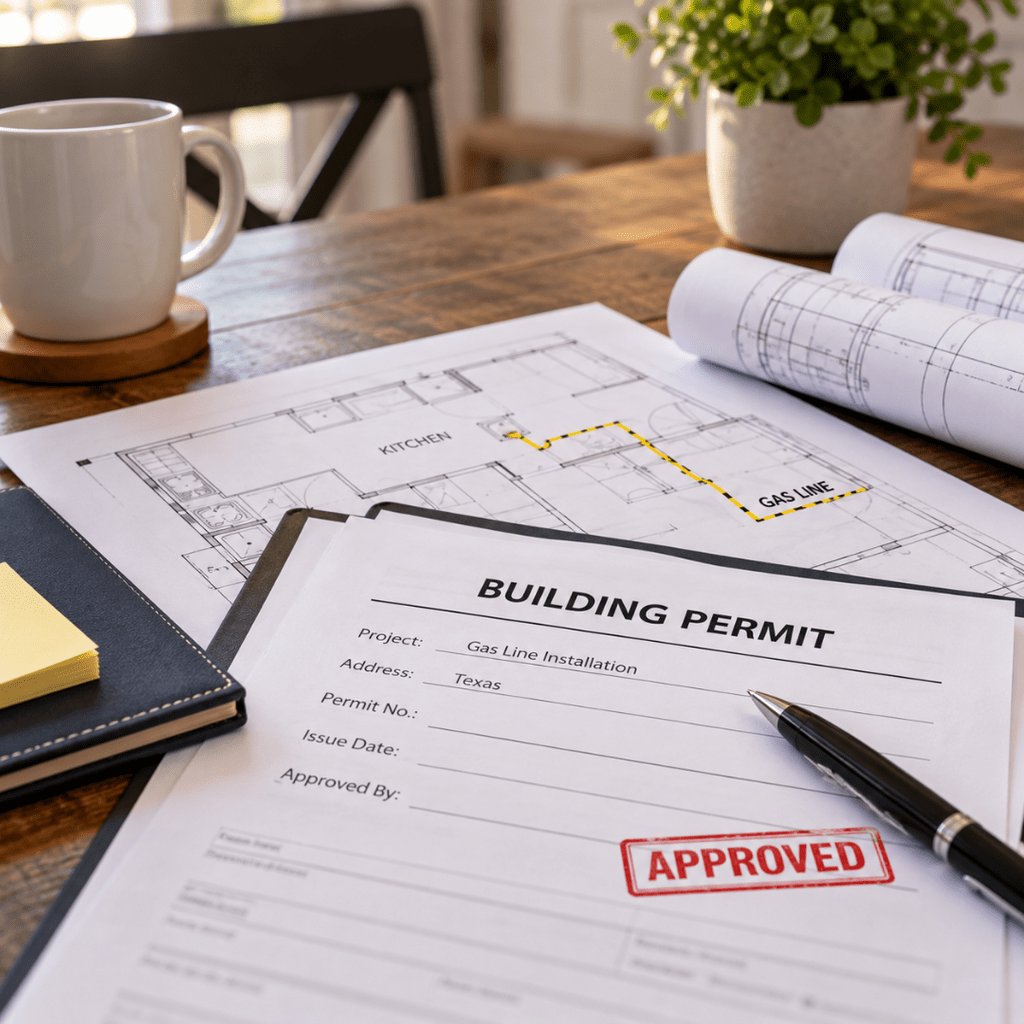
Gas Line Installation Problems Should Never Be Ignored
Natural gas is used throughout many Texas homes for cooking, heating, water heaters, fireplaces, and outdoor appliances. When everything works correctly, homeowners may rarely think about the pipes supplying those appliances.
However, a damaged gas line can create significant safety concerns. Even a small leak should be taken seriously.
Texas homes also face conditions that can put additional stress on underground utilities. Extreme heat, dry soil, construction activity, and ground movement can affect buried lines over time.
Here are several warning signs that something may be wrong.
1. You Notice a Rotten Egg Smell
Natural gas itself has little to no odor. Utility providers add an odorant that creates the recognizable smell commonly compared to rotten eggs.
If you suddenly notice this odor inside or around your property, do not ignore it.
A strong smell may indicate that gas is escaping somewhere within the system. The source could involve an appliance connection, fitting, valve, or gas pipe.
Leave the affected area and follow emergency guidance from your gas utility. Avoid switches, flames, or anything that could create a spark.
Once the immediate danger has been addressed, the system should be inspected by a qualified professional.
2. You Hear Hissing Near a Gas Line
A strange hissing or whistling sound near gas piping deserves attention.
Pressurized gas escaping through a damaged fitting or small opening can sometimes produce an audible sound. You may hear it near an appliance, meter, connection, or exposed section of piping.
Never try to locate a suspected leak using a flame.
Instead, move away from the area and contact the appropriate professionals. One can then safely identify and repair the source.
3. Your Gas Appliances Are Acting Differently
Changes in appliance performance may provide another clue.
For example, a gas stove may struggle to maintain a consistent flame. A water heater might have difficulty operating normally. Other gas-powered equipment may also perform differently than expected.
One malfunctioning appliance does not automatically indicate a larger gas line issue.
However, several appliances experiencing problems around the same time can warrant further investigation. A professional can determine whether the appliances or supply system are responsible.
4. Your Gas Bill Suddenly Increases
Texas homeowners expect energy costs to change throughout the year. Summer and winter usage can create noticeable differences.
An unexplained increase is different.
If your household habits remain similar but gas consumption suddenly rises, review the situation carefully. Escaping gas can sometimes contribute to increased usage.
Compare several recent bills rather than relying on one month alone.
A consistent and unexplained increase may justify having your gas system inspected.
5. Plants Are Dying Near an Underground Line
Outdoor warning signs can be easier to miss.
Gas escaping underground may affect grass, plants, or landscaping near the damaged area. You might notice a patch of vegetation turning brown while nearby areas remain healthy.
Of course, Texas heat can damage landscaping quickly.
Therefore, dying grass alone does not prove that a gas leak exists. When combined with unusual odors or other warning signs, however, it deserves immediate attention.
6. The Gas Line Shows Visible Damage
Exposed gas piping should occasionally be checked for obvious changes.
Corrosion, rust, damaged fittings, loose connections, or physical impact can create problems. Outdoor lines may also be affected by weather and nearby construction.
Older properties can have additional concerns because materials and installation practices have changed over time.
If something looks damaged, avoid attempting a temporary DIY repair. Gas piping requires proper materials, testing, and installation procedures.
7. Recent Construction May Have Affected the Line
Construction is another potential source of gas line damage.
Fence installation, landscaping, remodeling, excavation, and other projects can disturb underground utilities. Even work that seems minor can become dangerous when digging occurs near buried lines.
Texas homeowners frequently upgrade outdoor kitchens, pools, patios, and backyard living spaces.
Before digging, underground utilities should be properly located. If damage is suspected afterward, the area should be evaluated promptly.
When Should a Gas Line Be Replaced?
Not every problem requires complete replacement.
Sometimes a damaged connection or isolated section can be repaired. In other situations, replacing part or all of the line may provide a safer long-term solution.
Age, pipe condition, location, corrosion, and previous repairs all influence that decision.
Homeowners may also need new piping when adding gas appliances. Outdoor grills, fire features, water heaters, ranges, and generators can require modifications to the existing system.
A professional evaluation helps determine what the property actually needs.
Why Professional Gas Line Installation Matters
Gas piping is not an ideal DIY project. Proper installation requires careful sizing, approved materials, secure connections, testing, and compliance with applicable codes. Mistakes can create problems that remain hidden until much later.
Professional installation also considers the demands of connected appliances. An undersized or poorly configured system may not provide adequate gas flow when multiple appliances operate simultaneously.
Kings Plumbing can evaluate the existing setup and recommend an appropriate solution based on the property’s needs.
Protect Your Texas Home
Gas systems often operate quietly in the background, which makes unusual changes especially important.
Watch for rotten egg odors, hissing sounds, unusual appliance behavior, unexpected bills, damaged piping, and unexplained landscaping changes. These warning signs should not be dismissed.
For homeowners throughout Texas and surrounding communities, early attention can help prevent a potentially dangerous situation from becoming worse.
If you suspect a problem or need a new gas line installation, contact Kings Plumbing for professional assistance. A properly installed and maintained gas system can help keep your home operating safely and reliably for years to come.
