
If you’re wondering about your water heater lifespan, you’re not alone. Many Texas homeowners want to know when it’s time to repair or replace their system. A reliable water heater is essential for daily comfort, while a trusted plumber can help extend its life through maintenance. Understanding basic plumbing factors can also help you avoid unexpected breakdowns and costly repairs.
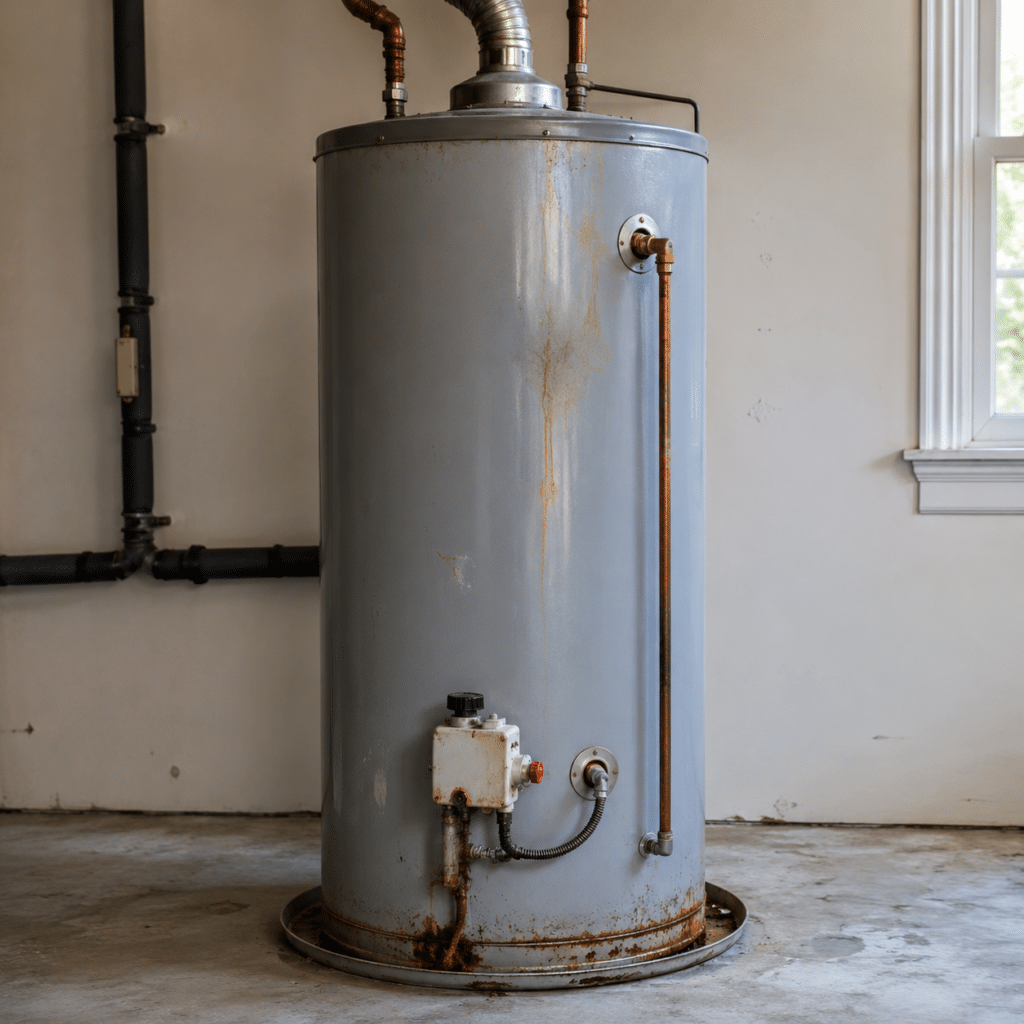
Understanding Water Heater Lifespan in Texas Homes
The average water heater lifespan depends on several factors, including the type of unit, water quality, usage habits, and maintenance history.
In most Texas homes, traditional tank water heaters last between 8 and 12 years. Tankless systems often remain operational for 15 to 20 years or longer.
However, these numbers are only averages. Some units fail much sooner. Others continue working well beyond their expected service life.
Regular inspections often make a significant difference. Homeowners face unique conditions that can affect system longevity. Hard water is common throughout many regions, including San Antonio, Austin, Dallas, Fort Worth, Houston, and surrounding communities.
As a result, mineral buildup can occur faster than in other parts of the country.
Factors That Affect Water Heater Lifespan
Several variables influence how long a system will continue operating efficiently.
Water Quality
Hard water contains elevated levels of minerals such as calcium and magnesium. Over time, these minerals settle inside the tank and create sediment buildup.
That sediment forces the system to work harder during heating cycles. Consequently, additional strain is placed on internal components.
Water softeners can reduce these effects.
Frequency of Use
A household with six occupants will typically use more hot water than a home with two residents. Greater demand causes additional wear on heating elements, burners, and valves.
The system cycles more frequently throughout the day.
That increased workload can shorten overall service life.
Maintenance Practices
Routine maintenance remains one of the most effective ways to maximize longevity. Annual tank flushing helps remove accumulated sediment.
Anode rod inspections can also prevent internal corrosion. When maintenance is neglected, premature failures often occur.
Installation Quality
Even the highest-quality unit can experience problems if installed incorrectly.
Poor connections, improper venting, or sizing issues may reduce performance. Professional installation helps ensure the system operates as intended from day one.
Signs Your Water Heater Lifespan May Be Nearing the End
Most systems provide warning signs before complete failure.
Recognizing these symptoms early can help you avoid water damage and unexpected emergencies.
Rust-Colored Water
Discolored hot water often indicates corrosion inside the tank.
Although not always a replacement issue, it should be investigated promptly. Internal rust generally worsens over time.
Inconsistent Water Temperatures
Fluctuating temperatures may signal failing components.
Sediment accumulation can also interfere with proper heating.
If hot water disappears quickly, the system may be struggling.
Strange Noises
Popping, rumbling, or banging sounds are often caused by hardened sediment. The tank becomes less efficient as the buildup increases. Consequently, heating costs may rise.
Water Around the Unit
Small leaks can quickly become larger problems. Pooling water should never be ignored.
A leaking tank frequently indicates the need for replacement.
How Texas Weather Impacts Water Heaters
Texas weather can be unpredictable. Summer temperatures regularly exceed 100 degrees in many areas.
Meanwhile, winter freezes occasionally affect exposed systems. Temperature fluctuations place stress on various components.
Expansion and contraction occur naturally as materials heat and cool. Over time, seals and fittings may wear down.
Additionally, severe weather events can accelerate aging if equipment is not properly protected.
Homes in cities such as Houston, Dallas, Fort Worth, Austin, Plano, Arlington, and Boerne often experience varying environmental conditions that influence performance.
Tank vs. Tankless: Which Lasts Longer?
Many homeowners compare traditional tanks with tankless alternatives. Each option offers unique advantages.
Tank water heaters generally cost less up front. They are widely available and relatively simple to replace.
However, their lifespan tends to be shorter.
Tankless systems operate differently. Water is heated only when needed. Because no storage tank exists, corrosion risks are reduced. As a result, tankless units frequently outlast traditional models by several years.
Although the initial investment is higher, many homeowners appreciate the extended longevity and improved efficiency.
Tips to Extend Water Heater Lifespan
A few proactive steps can help maximize performance and reduce repair costs. Schedule annual maintenance whenever possible.
Flush the tank to remove sediment buildup.
Inspect the anode rod periodically. Address small issues before they become major repairs.
Installing a water softener may also be beneficial in areas with hard water. Monitoring water pressure can further protect internal components.
Finally, pay attention to unusual sounds, odors, or performance changes. Early action often prevents expensive damage.
When Should You Replace Your Water Heater?
Age remains one of the most important considerations. If a traditional tank unit is approaching 10 years old, replacement planning is wise.
Waiting until complete failure occurs can create unnecessary stress. A proactive replacement allows time to compare options and budget appropriately.
Energy efficiency should also be considered. Newer models typically consume less energy than older systems.
Consequently, many homeowners notice lower utility costs after upgrading. A qualified professional can evaluate your current system and recommend the most practical solution.
Final Thoughts on Water Heater Lifespan
Understanding your water heater’s lifespan helps you make informed decisions about maintenance and replacement.
Most Texas homeowners can expect a traditional system to last between 8 and 12 years with proper care.
Tankless models often provide even greater longevity.
Regular maintenance, attention to warning signs, and professional inspections can significantly extend service life.
If your system is aging or showing signs of trouble, addressing concerns early may save both time and money.
For homeowners throughout Texas and surrounding cities, staying proactive is the best way to ensure dependable hot water year-round.
